Writer
Turn a real reference, a rough idea, or a first draft into a script that sounds like you. Shape the words, plan the performance, and see what to shoot.
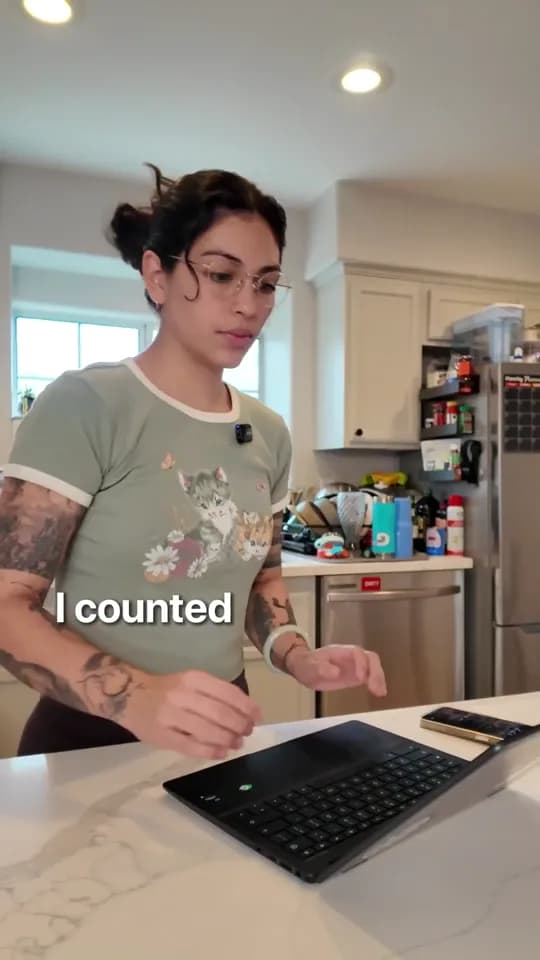
Try WriterI counted the work between the work.
I tracked every tiny task that interrupted my day. The list was longer than my actual to-do list.
Opening the same tabs. Copying the same updates. Checking whether anything had changed. So I picked one task and built a better way to do it.
Start with the thing you repeat every day. That’s your first workflow.
Real reference videos, with illustrative rewrites. The examples are not endorsements or performance results.
From a reference to something ready to film
Start with an idea, paste a draft, or add a reference. Give Writer the audience, format, and context that matter.
Explore different hooks and angles. Choose a direction, then develop an original script around your own experience.
Edit the script or ask for a change. Protect important lines and add useful delivery notes where they make a difference.
Plan camera framing, on-screen text, and visual direction. Prepare a caption and optional hashtags. Storyboard generation depends on workspace availability.
A writing partner for the whole process
An original voice
Use references to understand the approach. Build your own story around the idea, audience, and point of view.
Control over every line
Protect passages, edit directly, and save versions as the script develops.
More than a block of text
Keep narration, delivery, visual direction, captions, and production notes together.
More ways to make it yours
Start with a better question. Keep shaping the result.
Find a stronger opening
Give me three openings for a UGC video about a task I repeat every day.
Write it like I say it
Make this script sound conversational. Keep the meaning and the lines I protected.
Plan the shots
Add on-screen text, camera framing, and performance notes for each scene.
Prepare the caption
Write a caption that adds context. Suggest hashtags only if they are useful.